

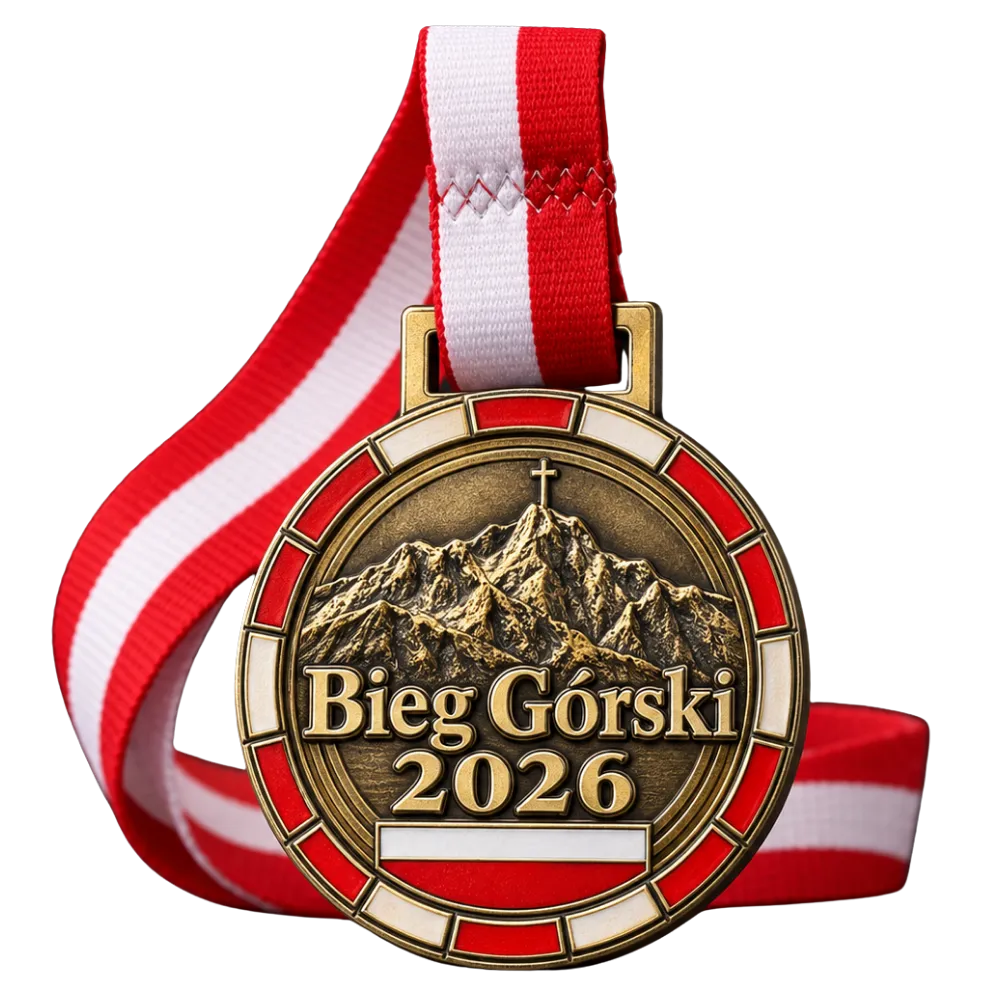
- You can see the raised design — and feel it under your fingers.
- Figures, mountains and buildings look far more real.
- It looks good even with no colour added at all.
- The raised design can go on both sides of the medal.
Price and lead time
What do custom 3D medals cost?
As a guide, 3D medals cost about €6.80 per piece at 100 units and €2.60 at 1,000. They are die-cast with sculpted relief, with a free 3D design before you order. Orders start at 50 pieces; production takes 12–15 days and you should plan around 10 weeks overall with express shipping.
In short
Shape
Any shape, casting die
Thickness
4.5–8 mm thick
Material
Zamak (zinc alloy)
Colour
Colour enamel
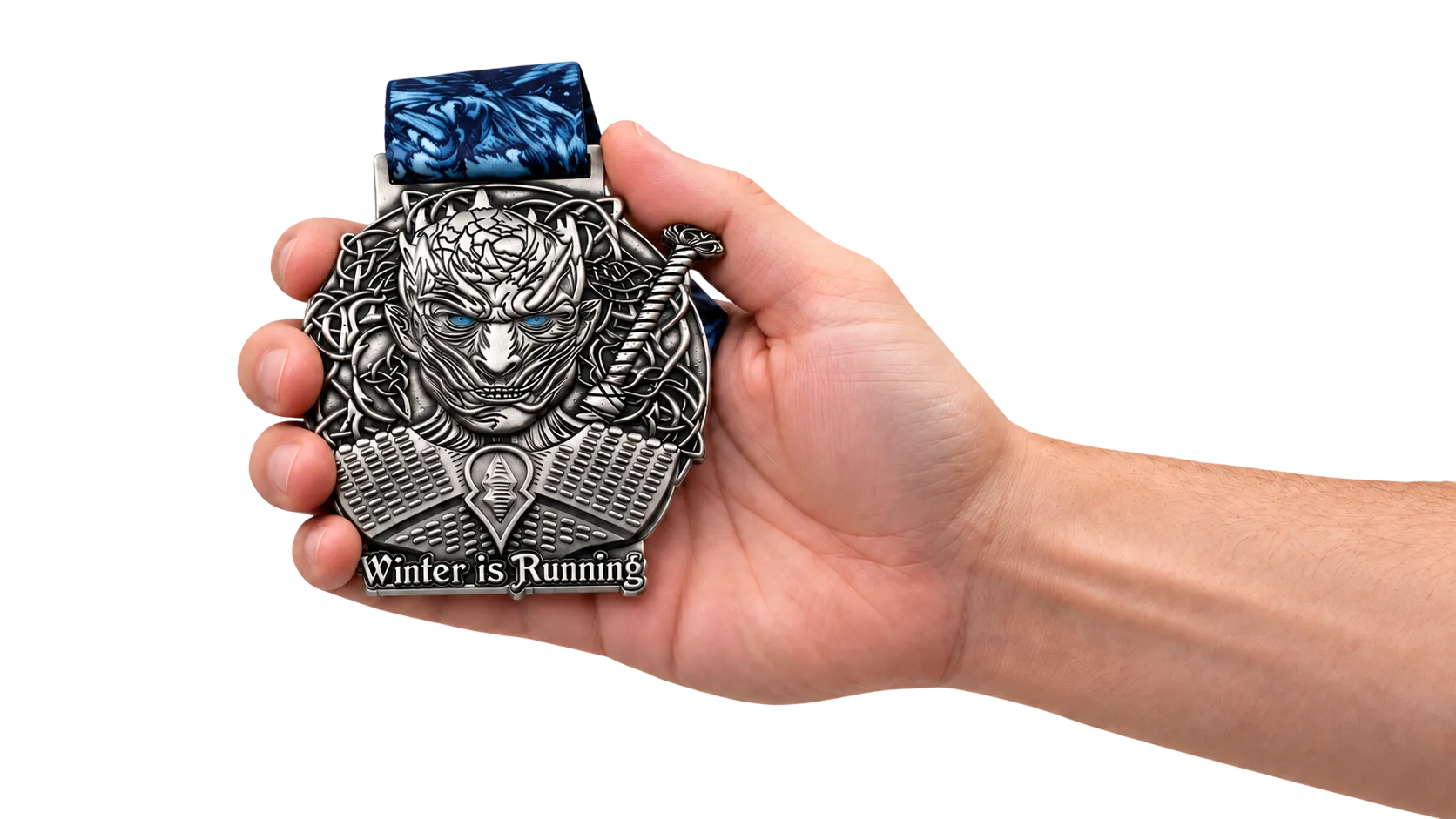
Colour, thickness, finish.
You decide.
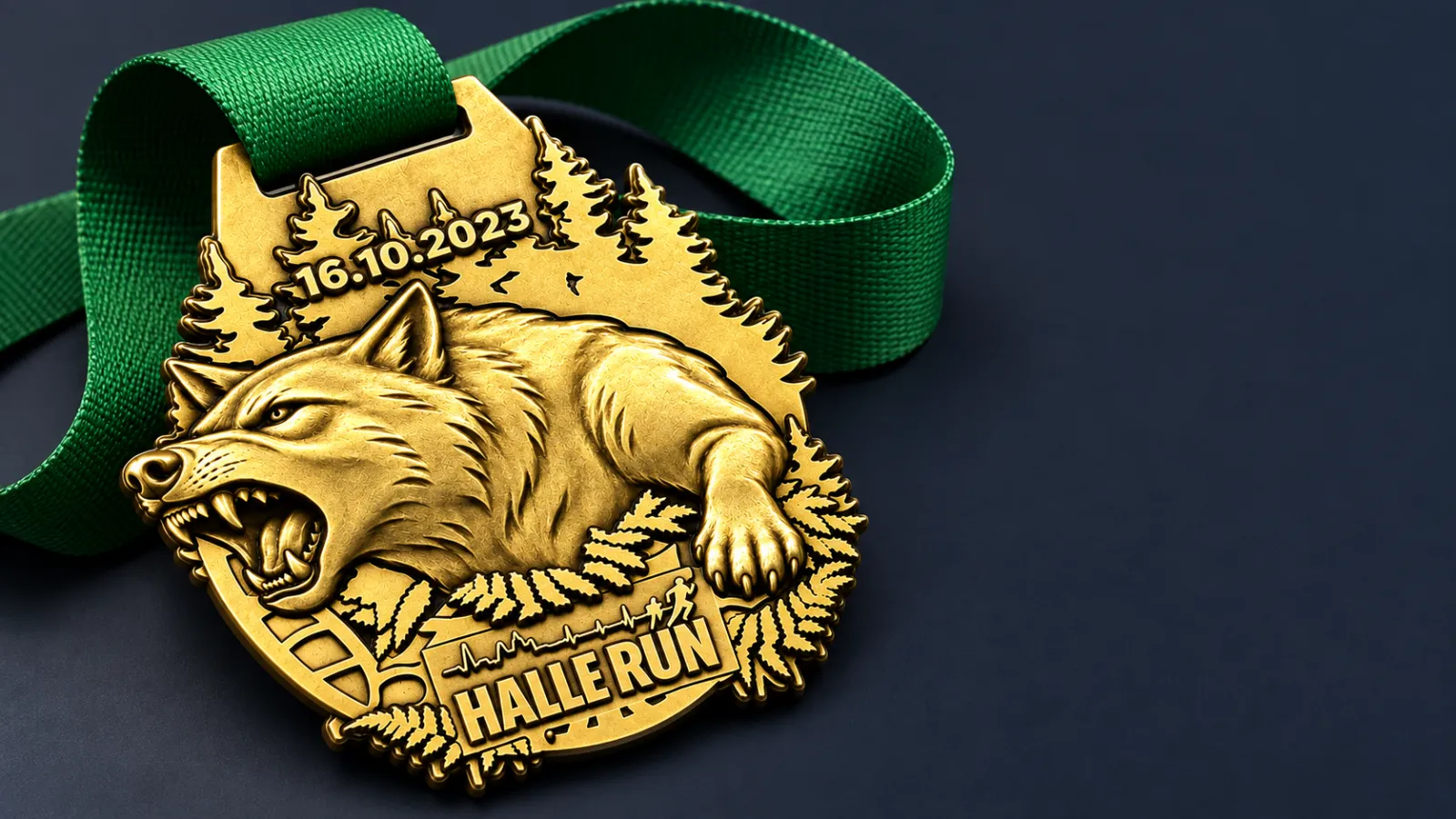
A cast design stays for years
Figures and lettering are part of the metal casting. They will not peel or rub off the way a surface print does, though the finish itself can pick up marks over time.
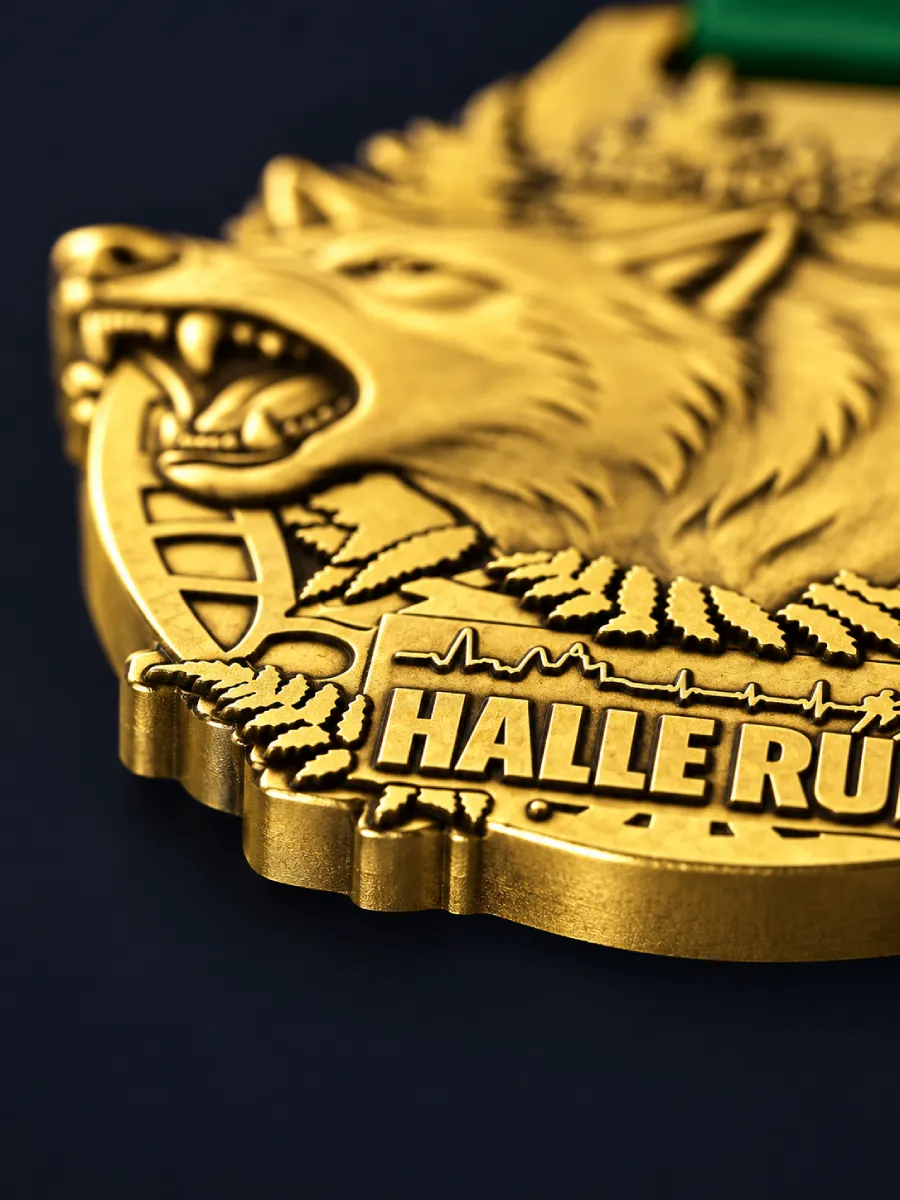
Thickness you choose
If you want a solid award, order a thicker medal. The weight is noticeable in the hand — and that matters to people who like to be handed something substantial at the finish.
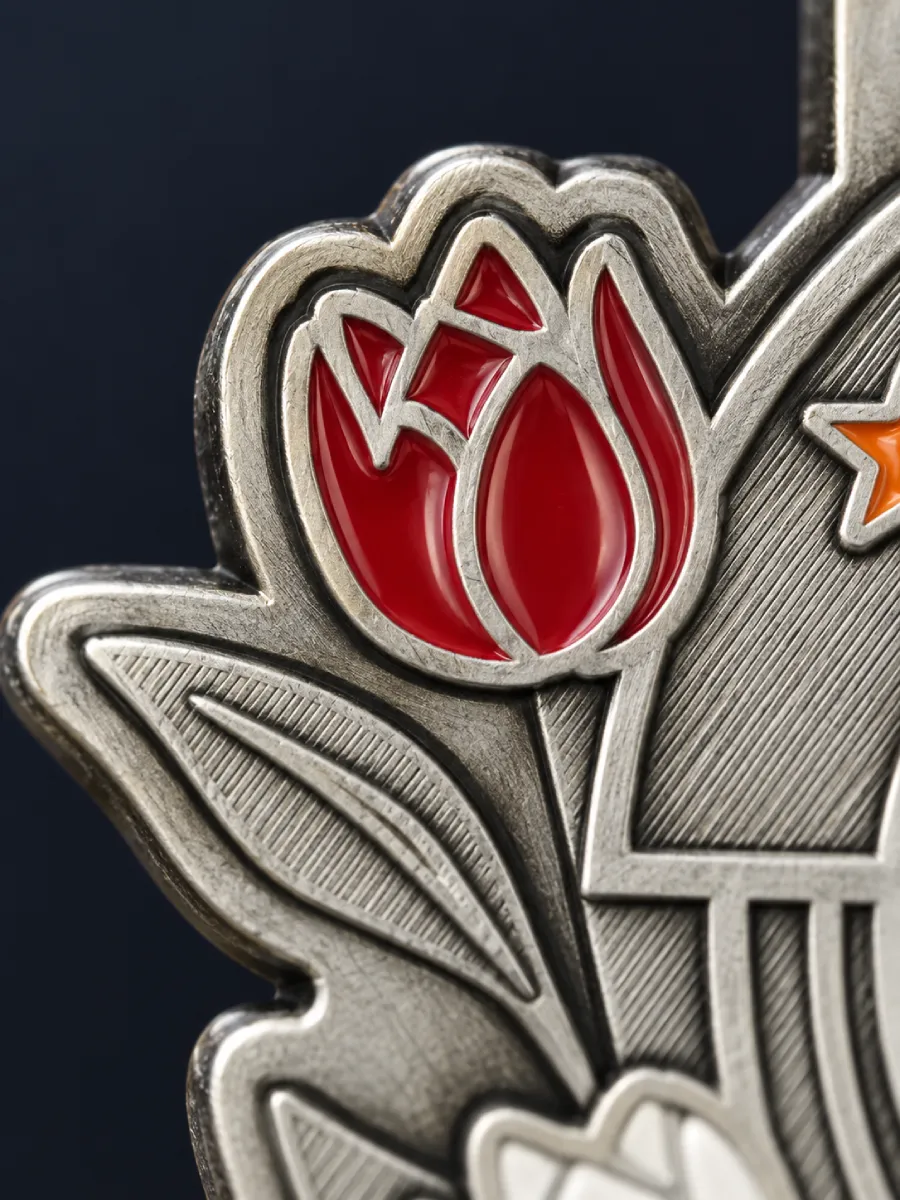
Colours that match the club or the event
Enamel adds the red of a club shirt, the colours of a flag, or the organiser's own palette. You can use it in chosen places only — the athlete's kit, or the background behind the event name.
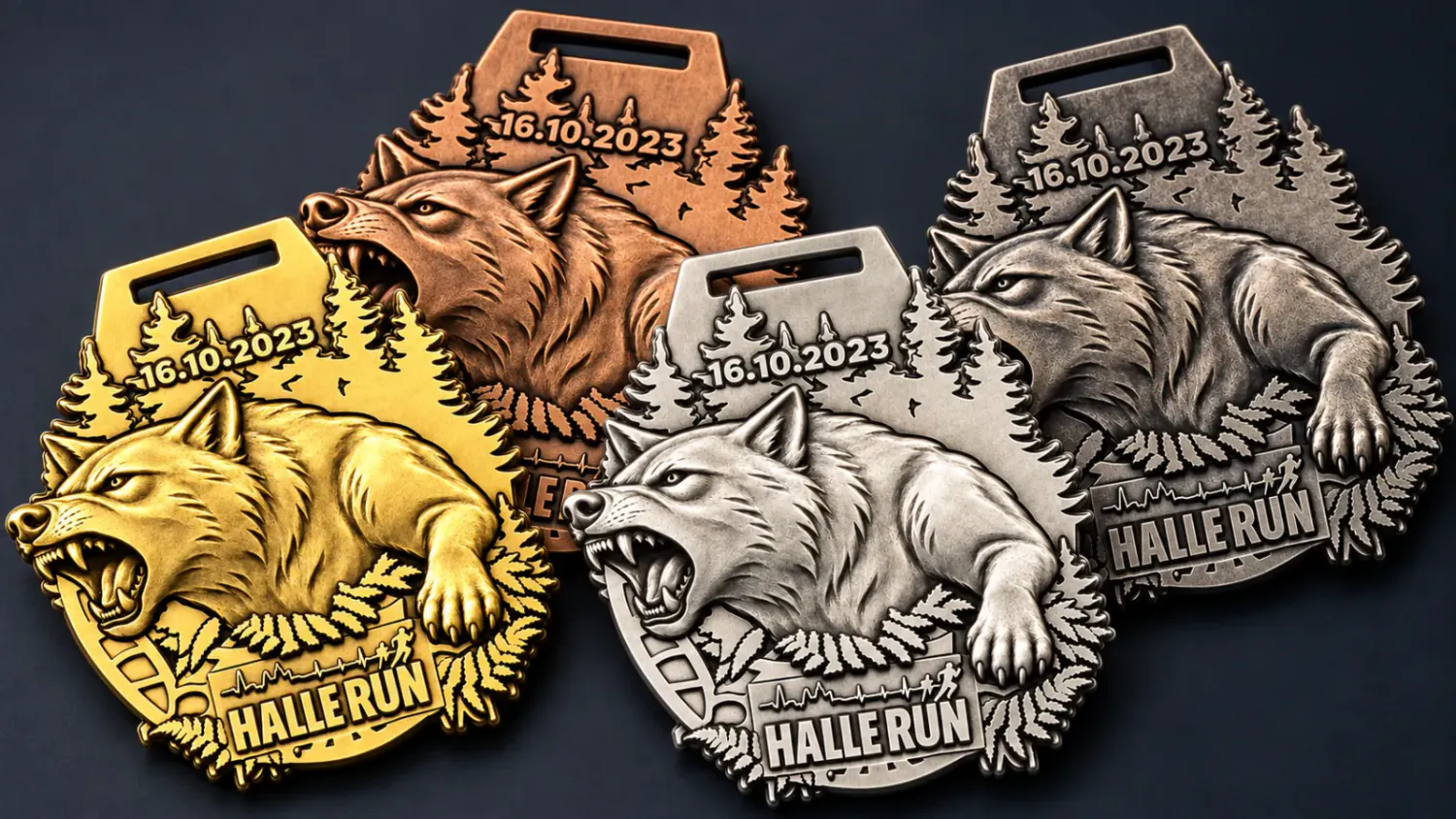
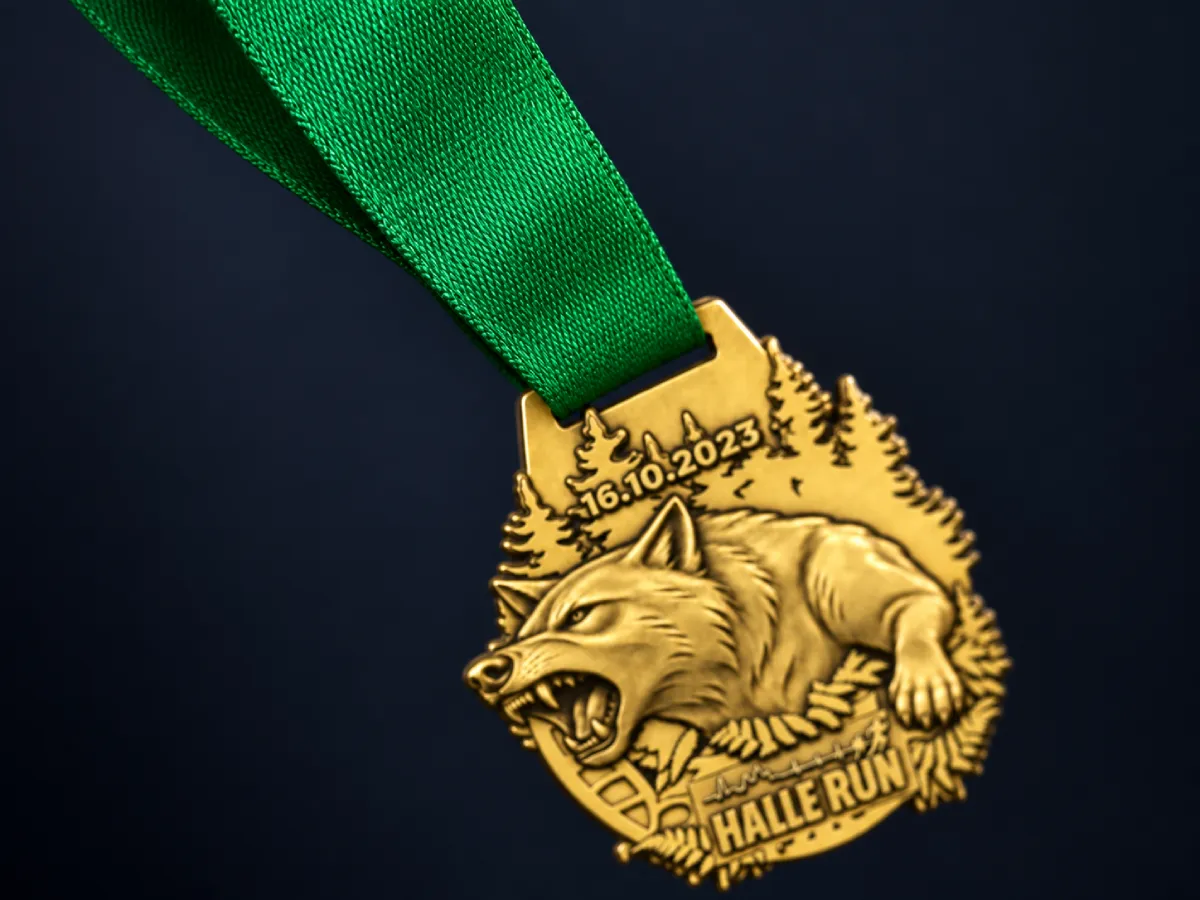
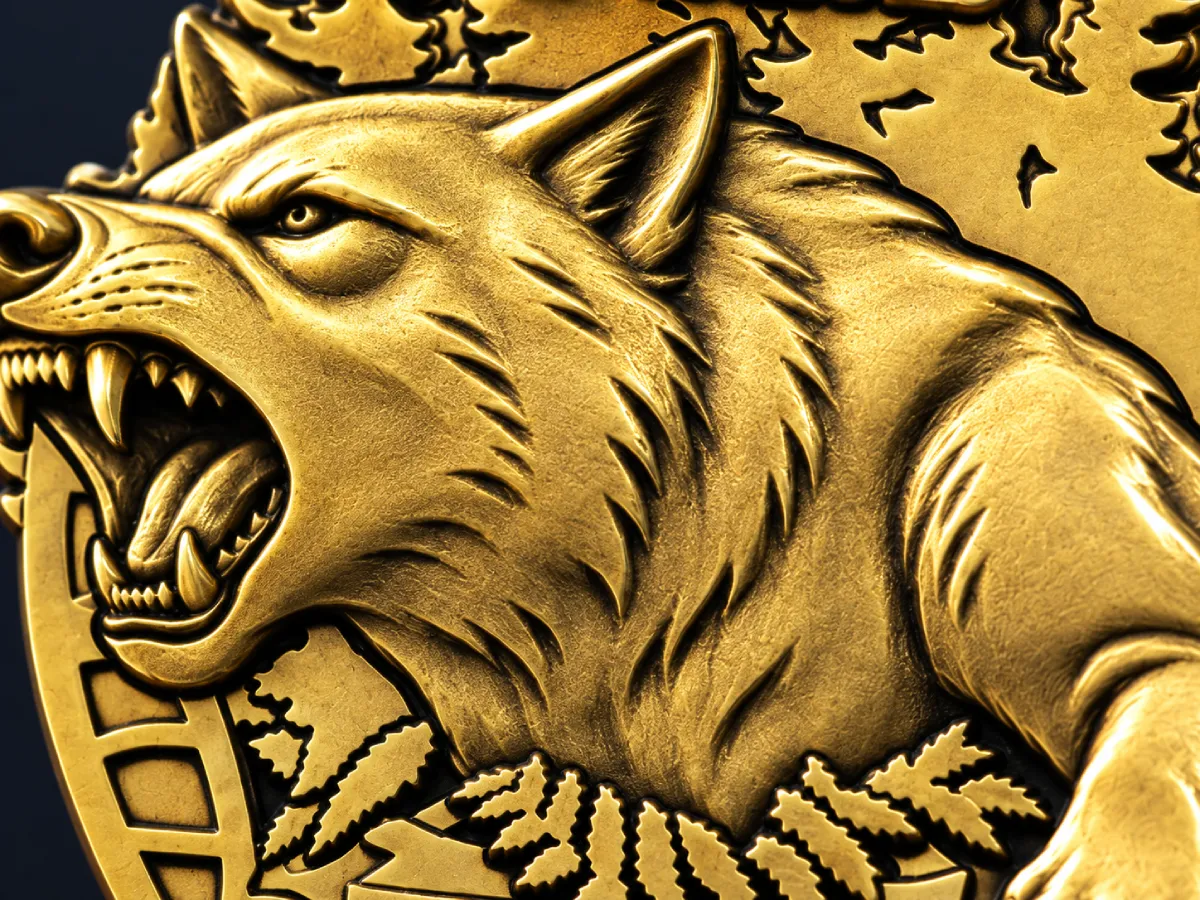
Some events take months to prepare for. A first marathon, a hard mountain run, a tournament final. If you are organising one of those, you want to hand out something that pays that effort back. A 3D cast medal fits those occasions — it can carry the summit from the route, or a runner in motion, so that years later it is still clear what it was for.
Casting is only the start
Every casting goes through finishing: it is cleaned of residue and ground smooth. Depending on the design, the medal then gets its final treatment — electroplating, or colour filled into chosen areas.

Step by step
What happens after you send an enquiry?
- 01
Tell us about the event
The sport, the date and how big the field is. That is enough for us to start drawing.
- 02
Your medal in 3D
You see a render of your own medal, not a catalogue photo. We rework it as many times as you need.
- 03
The die, then the first medal
The casting die is cut and the first medal comes off it. Nothing goes into the full run before that one is approved.
- 04
Cast, checked, delivered
The whole run is cast and finished, then checked before it leaves the factory and travels to your door.
Frequently asked questions
What is the difference between 2D and 3D die-cast medals?
2D casting has flat raised levels, like a coin. 3D casting sculpts smooth, contoured relief — faces, muscles, terrain. 3D moulds cost slightly more but the difference on a 70 mm medal is striking.
Which finishes are available?
Antique gold, silver and copper, polished shiny finishes, matt lacquer, plus soft or hard enamel colour fills. Antique finishes hide fingerprints best on race day.
How heavy is a die-cast medal?
A 70 mm medal cast at 4.5 mm weighs around 110 g, and a deep relief adds a little on top of that. The same medal at 8 mm comes close to 200 g.
What is the standard diameter of a cast medal?
Around 70 mm is what most organisers choose. We cast 3D medals from 50 mm up to 100 mm, so a junior race can get something smaller and the main event something larger.
What are cut-outs in a cast medal?
Cut-outs are decorative openings in the body of the medal — places where the metal is left out. Their shape and size are up to the design: a running track, the outline of a summit, the year of the event. They are formed by the casting die together with the rest of the medal, not drilled afterwards.
Which ribbon works best with a medal?
There is no single answer — every medal is different. We work with printed and plain ribbons in widths from 10 mm to 40 mm: a large, heavy medal hangs better on a wide one, a small medal looks calmer on a narrow band.
Does a second edition cost less?
Yes. We keep your casting die for two years at no charge, so a repeat run skips the cost of the mould and you pay for the medals only. It also means next year's medal comes out identical to this year's.
Let's put your event on a medal
Send the name of the event and roughly how many medals you need. You get a price and a first design to react to.